

Feedback That Doesn’t Push Back
Helping Students Own Their Next Steps in Learning

How often do we give feedback to students only to be met with resistance?
“It’s not fair.”
“But I worked really hard.”
“I don’t get what you want.”
Often, the issue isn’t effort.
It’s how feedback lands.
From some educators, feedback can feel like a verdict. It highlights what’s wrong, what’s missing, what didn’t meet the mark. Even when it’s thoughtful, it can trigger defensiveness because it sounds final.
In her book Assessment in Action, educator Theresa Meikle emphasizes feedback practices that help students understand where they are in their learning, make progress visible, and guide them toward their next step. Her approach aligns with the idea of feedback as an invitation to grow — not a verdict.
A verdict shuts down ownership.
A verdict shuts down growth.
From Feedback to Feedforward
Feedforward shifts the focus from critique to action.
Instead of:
“You didn’t do this right.”
→ “Here’s something you can try next time.”
Instead of:
“You need to improve this paragraph.”
→ “Start with a clear topic sentence so your argument lands more powerfully.”
The shift is subtle — but significant.
Feedforward positions learning as movement. It communicates: You’re in process.
When feedback is actionable:
Students see a path forward.
Their nervous systems settle.
Ownership increases.
Unless students have the opportunity to implement their next steps and improve their work, the feedback process is futile.
Feedback without time to act is commentary — not learning.
As Jennifer Gonzalez explains in Cult of Pedagogy, much of the feedback we give is backward-looking, focusing on what’s already happened. That focus can trigger defensiveness and stall learning. Feedforward, on the other hand, shifts the gaze to what can be done next, emphasizing future growth rather than past judgment, and making improvement feel possible and actionable.
Feedforward is clearer. But clarity alone isn’t enough. There must be space for the action to take place.
Feedforward only works when students can use it.
The Statement of Ownership
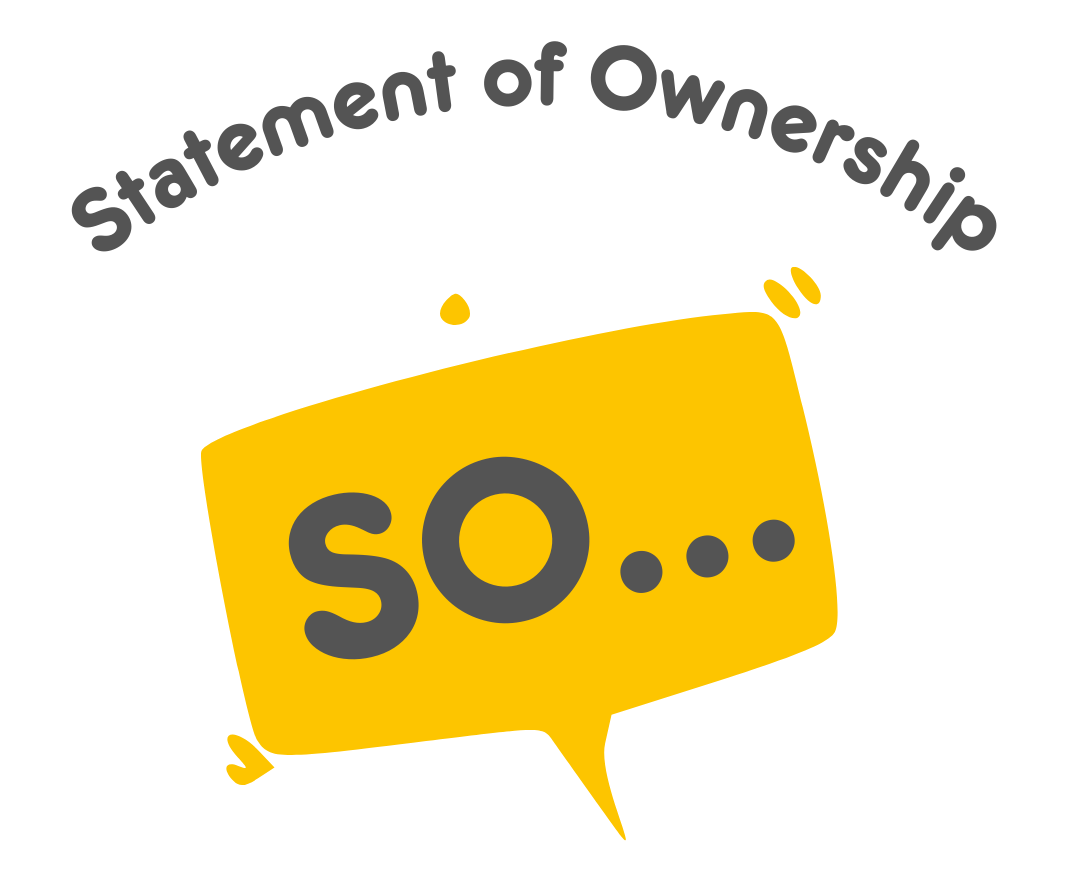
One simple structure I use is a Statement of Ownership (SO).
After receiving feedback, students translate it into their own next step, beginning with:
“So…”
“So, I need to add evidence after each claim.”
“So, I will clarify my argument in the introduction.”
“So next time, I’ll check my work against the criteria before submitting.”
It’s a small linguistic shift.
But when students articulate the next step themselves, the feedback no longer belongs to the teacher.
It belongs to them.
And when ownership increases, pushback decreases.
Before You Give Feedback
Pause and ask:
Is this a judgment or a direction?
Does this close the conversation or move it forward?
Have I made the next step clear enough to act on?
Feedback that doesn’t push back isn’t softer.
It’s strategic.
It’s actionable.
And it invites students into the work instead of pushing them away from it.
As Mel Robbins wrote in The Let Them Theory, “Pressure doesn’t create change, it creates resistance to it.”
References
Gonzalez, J. (2015, April 19). Feed forward: How to give feedback that moves students forward. Cult of Pedagogy. https://www.cultofpedagogy.com/feedforward/
Meikle, T. (2023). Assessment in action: Moving feedback forward to motivate students and make learning visible. Solution Tree Press/Pembroke Publishers.
Mel Robbins. (2024). The let them theory. Hay House.
Appreciating the "so." I need to try this with my own students this week. They just peer reviewed action research plans, and it can be overwhelming, managing feedback on larger projects. That's a gem of a next step....
A helpful reminder that feedback only has value if students can actually use it. Shifting from judgement to clear next steps makes a big difference, particularly when students see learning as a process rather than a final evaluation.
The idea of “feedforward” works well when it keeps improvement visible and actionable. Giving students time to act on feedback — and asking them to articulate their next step themselves — is often where the real learning happens.